

BEHIND THE SCENES, SUPPORTING LEaders on the FRONT LINEs
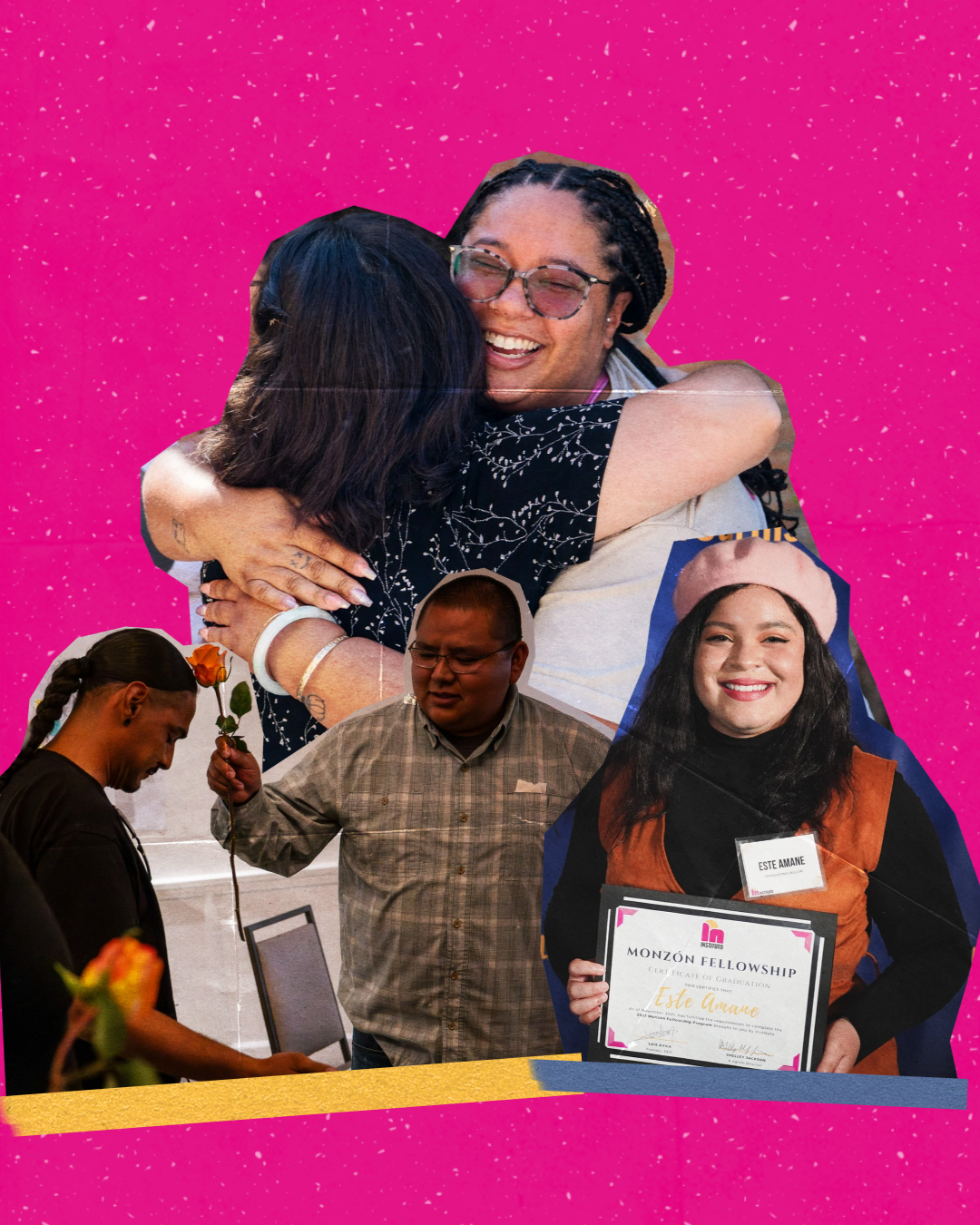
Ten years ago, this organization didn’t exist.
Initially, “Instituto” was a training series created by Iconico and drawing in droves of Arizona leaders who wanted to build their knowledge and sharpen their skills. The success of the series proved a gap needed filling: Arizona lacked a training and resource hub centered on supporting local leaders and organizations driving change. Instituto filled that gap, officially becoming a multi-entity organization comprising Instituto Lab, our 501(c)(3), and Instituto Power (501(c)(4)) in 2019.
For the first five years, our small but mighty team worked tirelessly to actualize a mission and vision that we were figuring out along the way. But we have grown since then to train and build the capacity of even more leaders.
Our mission, vision, pillars, and values are our commitments to putting well-supported leaders on the front lines throughout the beautiful state of Arizona and across the country.
OUR MISSION
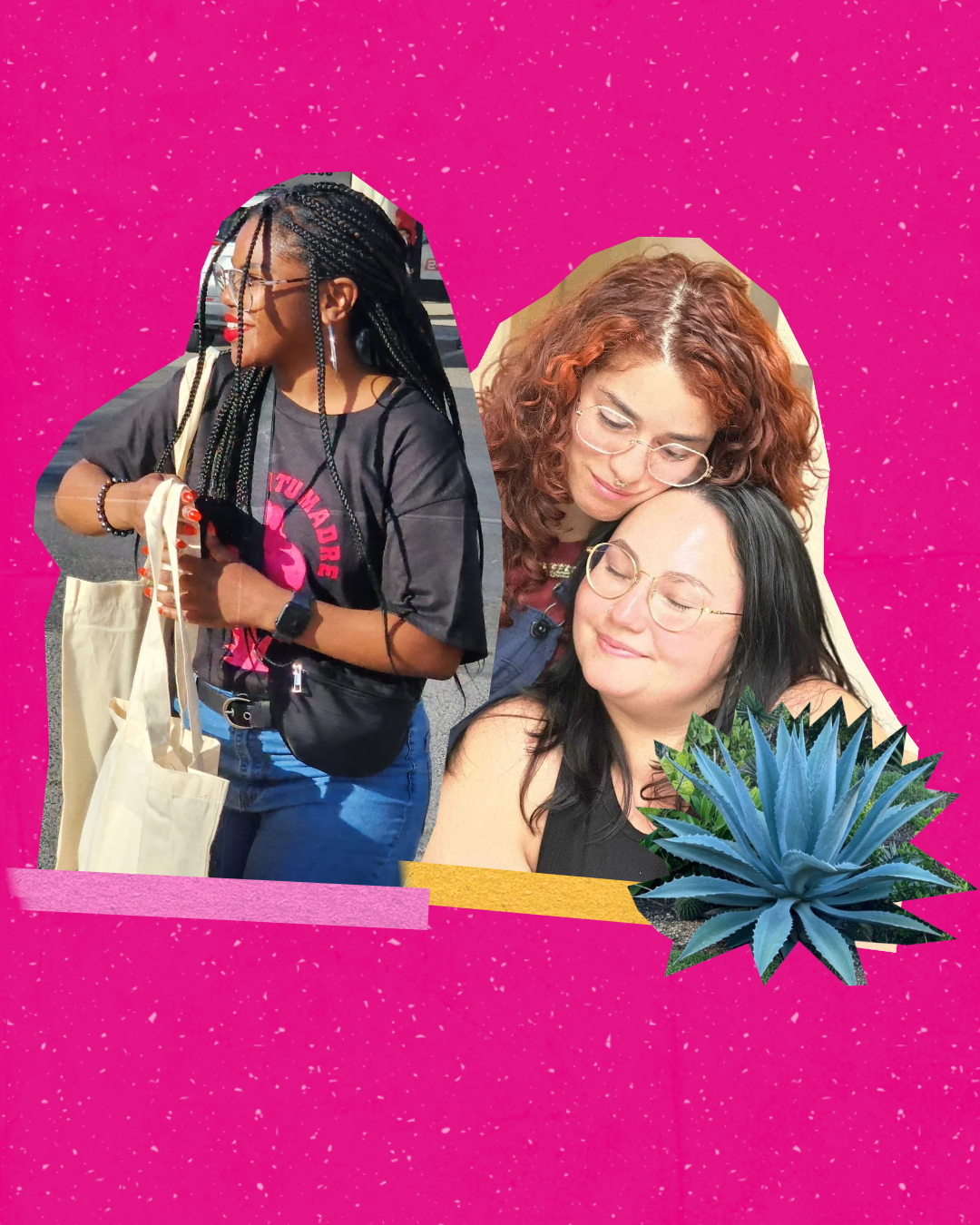
Instituto Lab, our 501(c)(3), equips leaders to wield power for good in every space they occupy.
OUR vISION
We envision an Arizona where communities lead, shape decisions, and drive change, creating the conditions for people to thrive, care for one another, and live with dignity. Instituto’s work equips leaders and organizations to build durable power that endures through political, demographic, and social shifts.
Our work is guided by an intentional and collaborative approach that prioritizes creating the conditions where people feel seen, valued, and ready to lead with communities of color and low-income communities.
The future we seek is grounded in active leadership, collective decision-making, and the intentional dismantling of systems, including white supremacy, misogyny, and xenophobia, that have historically and intentionally kept communities from the power that is rightfully theirs.
OUR three PILLARS
-
We cultivate leaders to wield power for good in their communities.
Instituto Lab is committed to developing, equipping, and sustaining leaders. This pillar is home to our work focused on leadership development, capacity building, and learning experiences such as training and coaching. At its core, Cultivating Leaders is about nurturing the next generation of changemakers.
Instituto Lab invests time, care, and funding in leaders who are purpose-driven, relational, and committed to leading ethically and effectively. This work is most fruitful when we walk alongside leaders for the long arc of their growth, sustainability, and long-term impact.
-
We align and strengthen power builders to move Arizona forward—together.
Instituto Lab plays a deeply connective role, bringing leaders and organizations together across the state to build collective power. Through convenings, coordination, curation, and shared strategy, we help communities move in unison rather than in silos.
This pillar is home to our work that fosters collaboration and principled action. We do not own every strategy. Instead, we create the conditions for leaders and organizations to act together, strengthen their networks, and amplify their impact. By Tending the Collective, Instituto Lab helps ensure that power grows, multiplies, and benefits the communities it serves sustainably.

-
We forge bold futures with our communities to create a more just and thriving world.
Instituto Lab believes the most urgent work is sometimes the work that hasn't been tried yet. The future of our movement is not bound by what currently is, but is instead guided by communities’ imagination of what can be. This pillar is about curiosity, creativity, and collective innovation, where we can experiment and learn as we build toward futures still taking shape.
This pillar reflects Instituto’s visionary and experimental spirit. We dream, test new ideas, support emerging efforts, and shape what comes next for Arizona.
OUR VALUES

-
We reject the myth of scarcity. The belief that there is not enough room, resources, or power is constructed by those who benefit from our disunity. We choose a different belief: that solidarity and shared power are expansive, that there is room for us all, and that when our communities win, we all win.
We reject scarcity and believe that solidarity and shared power create abundance for us all.
-
We believe in being tough on systemic failures while soft on the people navigating those systems. For us, community care is an act of liberation. We center low-income communities of color in all of our work — fighting against the violence and exploitation that disproportionately affects them and showing up in relationships led by care and compassion.
We believe community care is itself an act of liberation.
-
We believe trust is built through consistent action over time. We show up for leaders and communities with reciprocity, reliability, and a genuine commitment to their evolving needs. That commitment requires telling the truth: naming the violence, exploitation, and interlocking systems of oppression that harm our communities, and holding ourselves accountable to that honesty even when it is uncomfortable.
We believe trust is built through consistent action, so we show up with reciprocity and reliability.
-
We believe that communities are the best experts in their own needs and capacity. Our role is to sharpen what leaders already carry and create space for communities to fight for their own futures with confidence. We hold respect for one another's agency at the core of everything we do.
We create space for communities to fight for their own futures with confidence.
-
Instituto Lab honors what is often overlooked: the deep wisdom that communities of color hold. We bring our whole selves to this work, including our histories, ancestral knowledge, and identity. We understand that the stakes are high for our communities, and that by showing up fully with skill, grounding, and intention, we move closer to a liberated future.
We honor the wisdom communities carry and center it in everything we do.
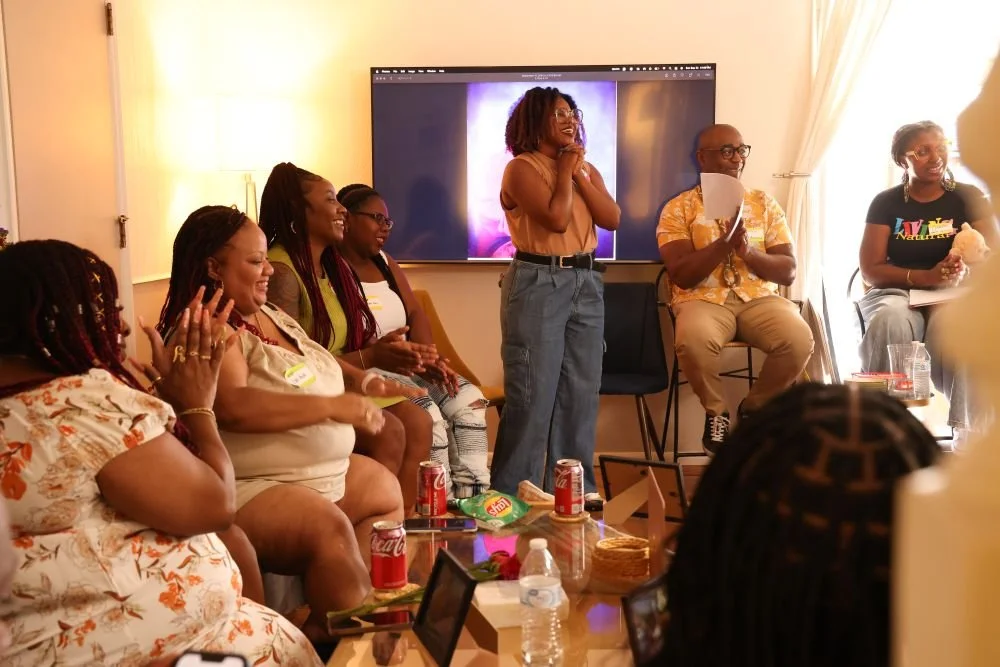
Literally and figuratively, our ancestors crossed oceans and still found a way to survive, sustain, and rebel. We will tap into everything they’ve poured into us and give back in kind. We will do it with our own flair, music, joy, language, and visions, and we will do it together.
— SHELLEY J. | INSTITUTO LAB EXECUTIVE DIRECTOR
2025: By the Numbers
2,300
views of our Praxis in Action Online Resource Library
386
leaders who attended our trainings and convenings
189
organizations that attended our trainings and convenings
27
training and convenings
19
graduates of the 2025 Monzón Fellowship
LAND ACKNOWLEDGEMENT.
Instituto was founded on O'odham and Pee Posh Land.
Arizona is home to one of the greatest diversities of Indigenous Cultures in the United States, including the Hohokam- ancient peoples who are direct descendants of the O’odham who existed from 300-1500 AD. The present-day Gila River Indian Community has alternatively named them the 'Huhugam,' or "loved ones who have passed.” The O’odham communities include the Akimel O’odham, Onk Akimel O’odham, Tohono O’odham & the Ak-chin Communities, which now surround the Phoenix, Tucson & metropolitan areas.
This area is the original land of the Ancestral Sonoran Desert People.
We acknowledge this is their land. We encourage everyone to visit the surrounding communities during their social events/activities and get to know the people of this land.
RECOGNIZING THEIR HISTORY AND PRESENT.
The Akimel O'odham, Onk Akimel O'odham, Tohono O'odham & Ak-chin communities have historically occupied south-central Arizona since the mid-1400s. This land was cultivated for centuries and continues to be stewarded today by the O'odham peoples and the Pee Posh, who settled in with the O'odham in the 1840s; these tribes share space and resources to this day. The Akimel O'odham clustered along the banks of the Gila and Salt Rivers, while the Tohono O'odham lived a more nomadic lifestyle in the desert terrain of Arizona in present-day south Phoenix. Recognizing the history of colonialization is important — colonizers forcefully took "Phoenix" from its original landowners, the O'odham, and older tribes.
Today, strategic and determined pursuits of tribal economic activities are expanding; the community's gaming facilities remain the catalyst for economic growth, while other endeavors range from telecommunications to resort and golf facilities, health care, agriculture, and the preservation of their arts, culture, and languages.
Connection to Indigenous Peoples of Palestine
Everything about this moment is about the land; everything about what we're defending is about land and the life that it generates, feeds, nourishes, the memory that it carries, and the lineages that it connects us to. In Palestine, the forceful taking of the land is happening, the genocide of the Indigenous people of that land. The struggle for sovereignty and against settler colonialism means healing our relationship with the land and recognizing that we are woven, interconnected, and have the power to take action. Living in the United States, we have immense power and privilege, so we have an immense responsibility to show up daily to change this history in real-time.
Sourced from: National Park Service, Gila River Indian Community, Heard Museum, Indian Health Services, City of Phoenix Office of Arts and Culture, South Phoenix Oral History Project, Layla Feghali & adrienne maree brown.